

A Sober Reflection on Nigeria at 65
As Nigeria celebrates its 65th Independence anniversary, we pause to reflect on our journey as a nation. We have come a long way, but we still have a long way to go. Our nation has faced numerous challenges, from economic struggles to security concerns, and from corruption to inequality, oppression to marginalization to human right abuses and fettered access to justice
However, in the midst of these challenges, we must remain resolute in our determination to make Nigeria great again. We must believe that our nation can be the greatest, and we must work towards achieving that dream. Every Nigerian, from our little corners, must contribute their quota to building a better nation.
Let us keep hope alive and work intentionally towards achieving the dream of our forefathers. Let us serve our fatherland with love, strength, and faith. Let us strive to create a nation where peace and justice reign, and where every citizen can live in freedom and dignity and commit to make the ultimate sacrifice for our Nation. ARISE O COMPATRIOTS!
As we celebrate our independence, let us remember that “righteousness exalts a nation.” Let us prioritize the rule of law, access to justice, and unfettered justice. Let us ensure the security and welfare of all citizens, which are the very foundations of a great nation.
We must also acknowledge the missing link in our nation’s development – gender parity 50/50 representation. We must work towards empowering women and children, inclusiveness and creating an enabling environment for our youths to thrive. Deliberate job creation and economic empowerment are essential for our nation’s growth.
The fight against corruption must be taken to its very root cause. We must be committed to transparency and accountability in all aspects of our national life.
Let’s all be vigilant and take action to stop injustice and amplify our voices to stop any violation of rights of citizens and laws of the land. We must stop the “Sidon look syndrome” where people see evil and do nothing and are ready to join the crowd of onlookers. As Edmund Burke said, “The only thing necessary for the triumph of evil is for good men to do nothing.” This quote highlights the idea that evil often succeeds due to the inaction of well-intentioned people who fail to act against injustice.
Let’s be proactive and speak out against injustice, oppression, marginalization, inequality, and human rights abuses. Let’s work together to create a society where justice, fairness, and dignity are upheld for all. We must be the change we want to see in our nation and take responsibility for promoting justice and opposing evil.
Let’s take immediate action to stop the killings and protect human life. Every life is precious and must be safeguarded. Let’s also work to end marginalization and oppression in all its forms. Let’s stand together for a Nigeria where every citizen can live in peace, safety, and dignity.
Let’s demand justice, equality, and fairness for all, and let’s hold our leaders accountable for protecting the rights and welfare of every Nigerian. Let’s rise to the challenge and be the change we want to see in our nation. Together, we can make a difference and create a better Nigeria for all.
Let’s rise to the challenge and be the voice for the voiceless, the advocate for the marginalized, and the champion of justice and equality. Together, we can make a difference and create a better Nigeria for all.
Let us work together to unalign the aligned and shun any iota of compromise on justice and fairplay, shun sycophancy and selling your birth right for a pot of porridge, fear none but only God Almighty, be bold, brave and courageous to build a nation that is just, equitable, and prosperous for all. Let us strive to create a nation where every citizen can live with dignity and pride. This is our original identity as Nigerians! Reclaim your identity and own it!!!
Let’s indeed intensify our prayers for our leaders to lead us with integrity, wisdom, and selflessness, prioritizing the common good and the welfare of all Nigerians. May they be guided by a sense of justice, compassion, and fairness in their decision-making, policies and actions.
Together, let’s combine our prayers with proactive efforts to hold our leaders accountable, promote transparency, and advocate for policies that benefit all citizens. Let’s strive for a Nigeria where every individual can thrive, live in peace, and enjoy the fruits of our collective labor.
May God grant our leaders the wisdom to lead us towards a brighter future, and may we all play our part in building a better Nigeria for all.
Happy Independence Day, Nigeria!
From all of us @ AWLA
Mandy Demechi-Asagba
President, African Women Lawyers Association (AWLA)
October 1, 2025
The post AWLA President Message NIGERIA @ 65 A Sober Reflection appeared first on The African Women Lawyers Association.
Women can significantly influence democracy in Nigeria by participating in governance, advocating for their rights, and pushing for policies that promote social transformation.
Here are some key ways women can shape democracy:
Empowering Women in Politics
Increased representation: Women demand equal representation in government positions, which can lead to more inclusive decision-making processes.
Policy influence: Women in politics can advocate for laws and policies that promote gender equality, access to justice, and human rights.
Role models: Female politicians can inspire young girls and women to participate in politics and leadership roles
Female Lawyers’ Impact on Democracy
Advocating for justice: Female lawyers can champion access to justice, equality before the law, and respect for human dignity, which are fundamental to democracy.
Sensitizing the people on their rights and obligations see Chapter 4 of the Constitution of the FRN 1999 as amended sections 33- 46 deals with *Fundamental Rights*. These rights are enshrined in sections 33 to 44 of the Constitution.
Fundamental Human Rights
– Right to Life (Section 33): Every person has the right to life, and no one shall be deprived of life except in execution of a court sentence.
– Right to Dignity of Human Person (Section 34): Every individual has the right to respect for their dignity, and no one shall be subjected to torture, inhuman or degrading treatment.
– Right to Personal Liberty (Section 35): Every person has the right to personal liberty, and no one shall be arrested or detained except in accordance with the law.
– Right to Fair Hearing (Section 36): Every person has the right to a fair hearing within a reasonable time by a court or tribunal.
– Right to Private and Family Life(Section 37): Every person has the right to private and family life.
– Right to Freedom of Thought, Conscience and Religion (Section 38): Every person has the right to freedom of thought, conscience and religion.
– Right to Freedom of Expression and the Press (Section 39): Every person has the right to freedom of expression, including freedom to hold opinions and receive and impart ideas.
– Right to Peaceful Assembly and Association (Section 40): Every person has the right to peaceful assembly and association.
– Right to Freedom of Movement (Section 41): Every citizen has the right to move freely throughout Nigeria and reside in any part thereof.
– Right to Freedom from Discrimination (Section 42): Every citizen has the right to freedom from discrimination on grounds of ethnicity, place of origin, sex, religion or political opinion.
– Right to Acquire and Own Property (Section 43): Every citizen has the right to acquire and own immovable property anywhere in Nigeria.
– Right against Compulsory Acquisition of Property (Section 44): No property shall be compulsorily acquired except for public purposes and with prompt payment of compensation.
The Right to enforcement of your fundamental Human Rights if it is abused
These provisions are designed to protect the fundamental rights and freedoms of individuals in Nigeria
The obligations of citizens under the 1999 Constitution of Nigeria are outlined in Section 24. These duties include
– Abiding by the Constitution: Respecting its ideals, institutions, National Flag, National Anthem, National Pledge, and legitimate authorities.
– Enhancing Nigeria’s Power and Prestige: Defending the country and rendering national service as required.
– Respecting Others’ Dignity: Living in unity and harmony with fellow citizens.
– Contributing to Community Well-being: Making positive contributions to the community’s advancement and progress.
– Assisting in Law and Order: Rendering assistance to lawful agencies in maintaining law and order.
– Paying Taxes: Contributing to the nation’s development through tax payments.
These obligations aim to promote national unity, stability, and progress, while emphasizing the importance of citizen participation in Nigeria’s development
Challenging discriminatory laws: Women lawyers can push for reforms to address laws and policies that perpetuate gender-based discrimination.
Mentorship: Experienced female lawyers can mentor younger female lawyers, promoting their growth and participation in the legal profession
Legal advisers and representation of Female Aspirants in Court
Social Transformation through Access to Justice
Promoting human rights: Female lawyers can advocate for the rights of marginalized communities, including women and children.
Addressing systemic bias: Women lawyers can work to eliminate systemic bias in the justice system, ensuring equal access to justice for all.
Empowering women: By promoting access to justice, female lawyers can empower women to claim their rights and participate fully in society.
Key Initiatives and Recommendations
National Gender Policy: Implementing policies that promote gender equality and women’s empowerment can help bridge the gap between men and women in governance and leadership.
Women’s participation in peacebuilding: Initiatives that promote women’s involvement in peacebuilding and conflict resolution can contribute to more inclusive and effective governance.
Capacity building: Providing training and capacity-building programs for women in politics and law can enhance their skills and confidence, enabling them to participate more effectively in decision-making processes
Passing the Gender Bills into Law
The National Assembly has several gender-related bills before it,
These bills aim to address various aspects of gender inequality in Nigeria,
including women’s representation in politics, protection against gender-based violence, and equal opportunities for men and women.
These bills include
– National Centre for Women Development Act (Repeal and Enactment) Bill*: This bill seeks to repeal and re-enact the National Centre for Women Development Act to enhance women’s development and empowerment.
– Women’s Representation in Legislative Houses Bill: This bill aims to increase women’s representation in legislative houses at both national and sub-national levels.
– Gender and Equal Opportunities Bill: This bill seeks to promote equal opportunities for men and women and eliminate discrimination based on gender.
– Sexual Offences Act (Amendment) Bill: This bill aims to strengthen laws against sexual offences and protect victims of sexual violence.
– Discrimination Against Persons with Disability (Prohibition) Act (Amendment) Bill: This bill seeks to strengthen laws against discrimination against persons with disabilities.
– Reserved Seats for Women Bill: This bill proposes to reserve special seats for women in the National
Assembly and state houses of assembly to increase women’s representation in politics.
– Affirmative Action for Women in Political Party Administration: This bill seeks to ensure that at least 35% of party executives are women.
– Appointment of Women as Ministers and Commissioners: This bill proposes to ensure that at least 10% of ministers and commissioners are women.
This bill to my mind is a beggarly bill and is contrary to the affirmative action policy and the agenda Parity goal
Conclusion
Women’s influence on democracy in Nigeria is crucial for promoting social transformation, access to justice, and respect for human dignity. Female lawyers, in particular, play a vital role in shaping the justice system and advocating for human rights. By empowering women in politics and law, Nigeria can build a more inclusive and progressive society.
Mandy Demechi-Asagba
President
African Women Lawyers Association (AWLA)
October 1, 2025
Paper presented at the Round Table on the Role of Nigeria in Democracy in Africa
Discourse Organised by The International College for Diplomatic Affairs
The post How Women can influence Democracy in Nigeria appeared first on The African Women Lawyers Association.
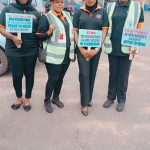
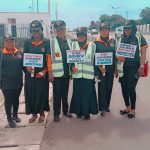
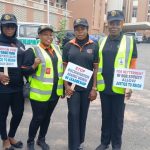
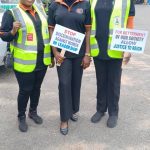
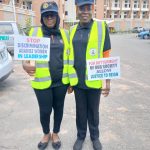
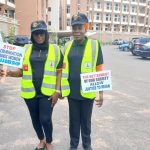
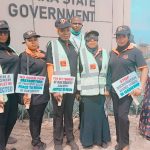
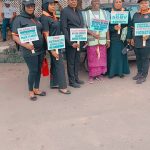
Today the 22nd day of September,2025 our great Association the African Women Lawyers Association of Nigeria Chapter ( KWARA STATE BRANCH) under the leadership of our Country Representative falilat Oluwatoyin Orire and her State Coordinator Ruqayyah Olaide Abdulaziz and the Coordinator of Horizon for peace initiative Kwara State in Collaboration with the Ministry of Women affairs under the distinguished Commissioner for Women Affairs Chief (Mrs) Afolashade Oluwakemi mark the international day of Peace in ground style. The program was marked with a joint walk from the Ministry of women affairs to the Governor’s office Ilorin to create more awareness on how we should live in peace among ourselves in the state and the Country at large.
Also in attendance were members of Awla Nigeria Chapter( Kwara State Branch), Commissioner of women affairs, directors from the Ministry of women affairs, and different NGOs.
AWLA NIGERIA CHAPTER hereby wishes everyone best wishes on this 2025 international Peace day. May it inspire Compassion and unity among nations, fostering a world where love triumphs over hatred. On this auspicious day, let’s strive for a global harmony that transcends borders, races,and religions.
Happy international peace day. Let’s join hands for a world where diversity is celebrated, and understanding becomes the language that unites us all.
HAPPY INTERNATIONAL PEACE DAY!

The post HAPPY INTERNATIONAL DAY OF PEACE 2025. appeared first on The African Women Lawyers Association.
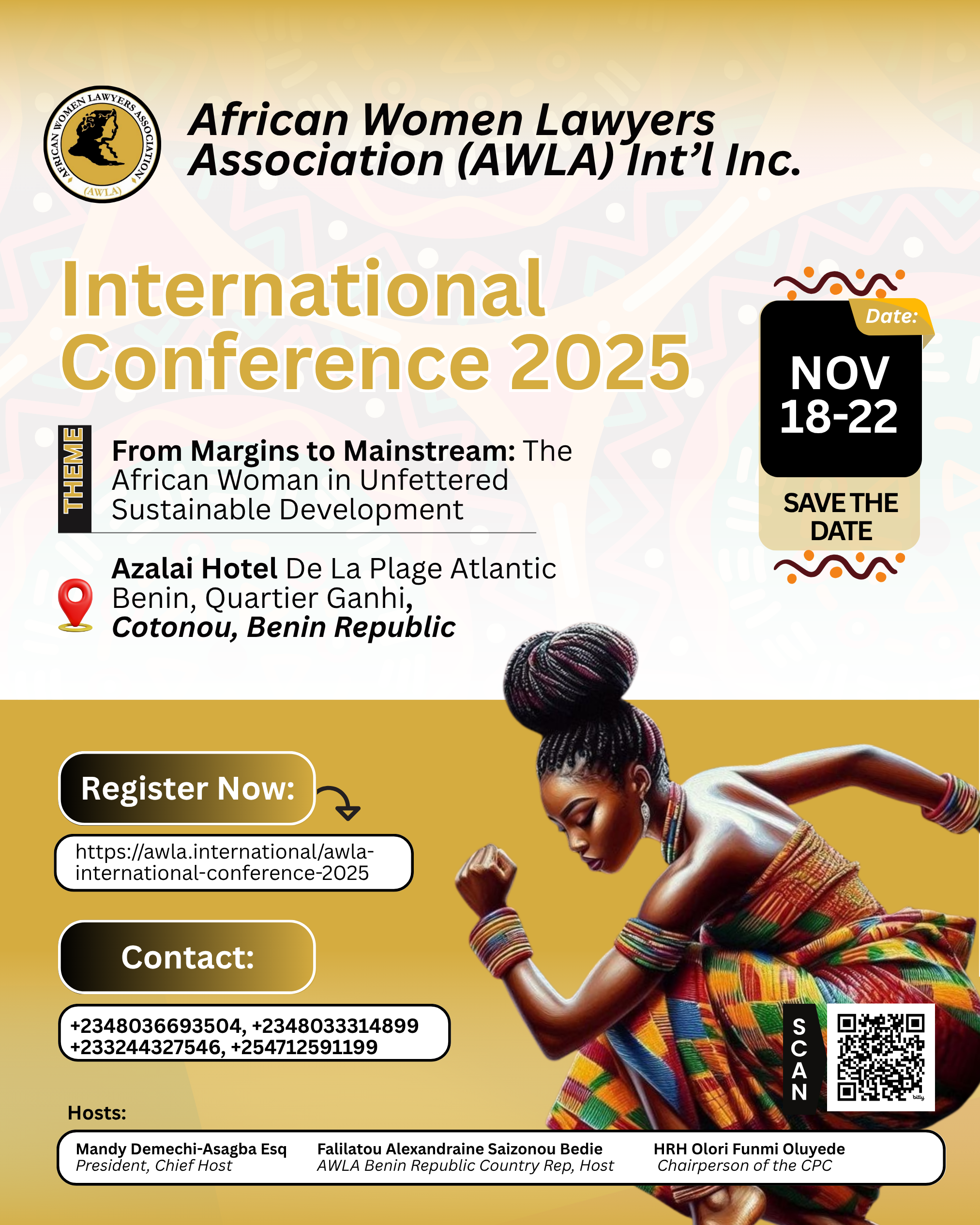
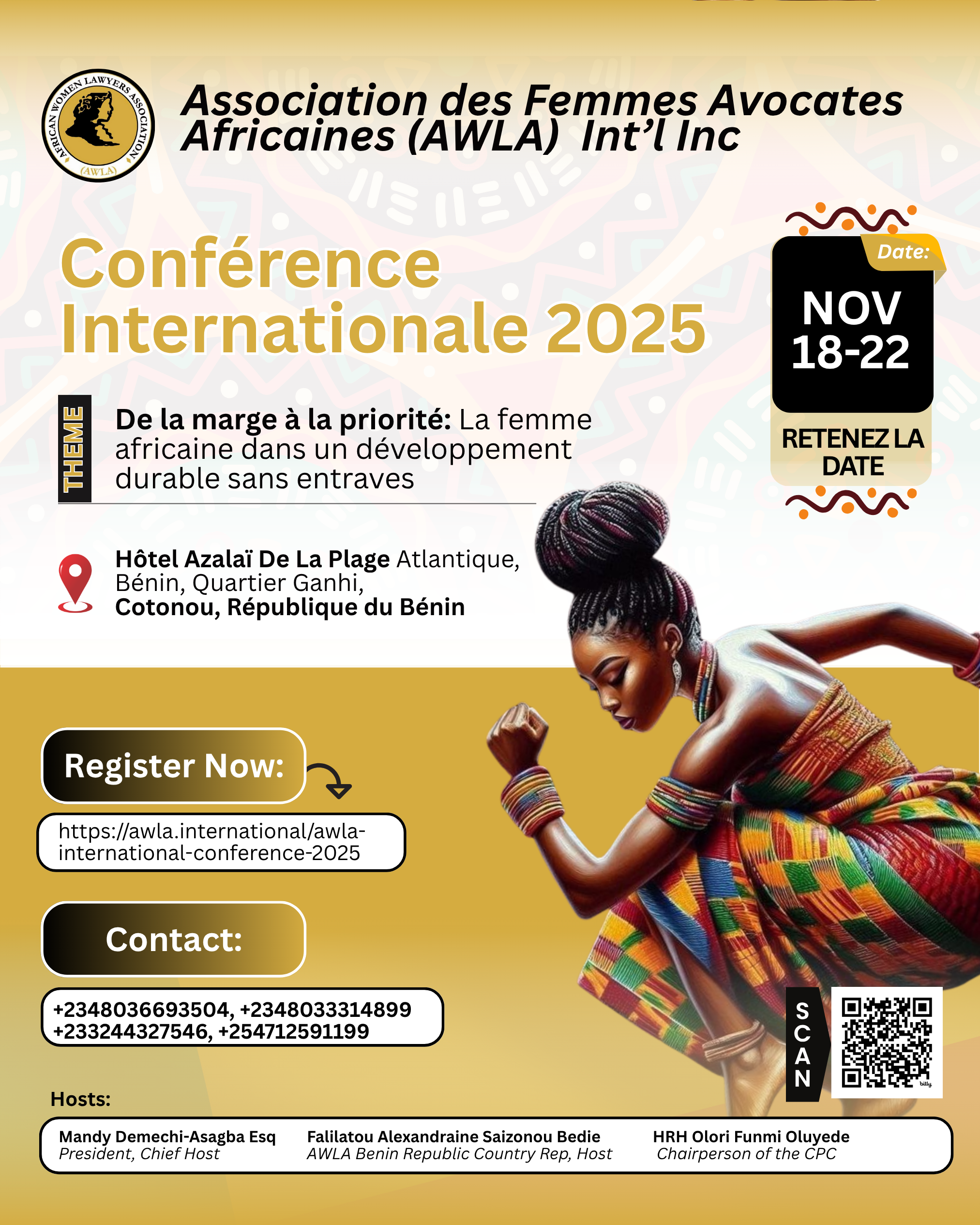
AWLA INTERNATIONAL CONFERENCE 2025
*HAVE YOU REGISTERED???*
*COUNT DOWN*
*Early Bird Registration*
*ENDS TODAY!*
 ,
,
*Regular registration runs from September 16 to October 30*
*Late Registration runs from: November 1 to November 22*
*BE AN EARLY BIRD, REGISTER NOW!!*
Find details here
The post AWLA INTERNATIONAL CONFERENCE 2025 appeared first on The African Women Lawyers Association.
It is with profound respect and admiration that the African Women Lawyers Association (AWLA) honor the illustrious career of Hon. Justice Nkemdilim Izuako, a trailblazer in African legal history whose contributions have left an indelible mark on the judiciary and beyond. Throughout her distinguished tenure, Justice Izuako exemplified unwavering commitment to the rule of law, fairness, and justice.
Her judicial acumen, evident in her roles within Nigeria, The Gambia, and the Solomon Islands, was characterized by fairness, wisdom, and an unshakeable adherence to legal principles. Notably, her tenure as a judge in various international jurisdictions, including her historic appointments as the first female judge in The Gambia and the Solomon Islands, underscores her status as a pioneer and exemplar of excellence.
Justice Izuako’s impact extended far beyond the courtroom. Her collaboration with the United Nations Office on Drugs and Crime on judicial ethics and her role in developing the Judicial Ethics Training Manual for the Nigerian judiciary demonstrate her dedication to enhancing the integrity of the legal profession. Her service as a judge of the United Nations Dispute Tribunal further exemplifies her commitment to upholding justice on a global scale.
Moreover, her contributions to social development, particularly through initiatives aimed at empowering women and girls, reflect her profound compassion and commitment to societal advancement. The Honiara Women’s Initiative, which she helped mobilize, stands as a testament to her enduring legacy in promoting gender equality and social justice.
In recognition of her extraordinary sacrifices and contributions to humanity, the African Women Lawyers Association (AWLA) is honored to bestow upon Justice Izuako the prestigious award of Lifetime Membership on August 29, 2025. This tribute is a fitting acknowledgment of her dedication to the pursuit of justice and her unwavering commitment to the empowerment of women and girls.
Justice Izuako’s legacy serves as a powerful inspiration for current and future generations of legal professionals, reminding us of the transformative impact of integrity, compassion, and a steadfast commitment to justice. Her life’s work will undoubtedly continue to illuminate the path for those who follow in her footsteps.
CONGRATULATIONS!!!!!!!
The post Tribute to Hon. Justice Nkemdilim Amelia Izuako appeared first on The African Women Lawyers Association.
This day is celebrated on July 31st annually
The theme this year is : “Rooted in Greatness: Celebrating Women of African Descent”
shines a spotlight on the remarkable achievements and contributions of women of African descent globally. This celebration is part of a broader awareness initiative that highlights the impact and greatness of African women in various fields globally breaking and shattering the glass ceilings and driving change across the continents. Let’s celebrate their achievements and explore initiatives that promote their empowerment.
Women Achievers in Africa
Africa is home to numerous women achievers who have made significant contributions to their respective fields.
West Africa
Hon. Justice Kudirat Kekere-Ekun: A respected Justice of the Supreme Court of Nigeria, known for her integrity, wisdom, and dedication to upholding the rule of law.
Hon. Betty Mould-Idrissu, Founder and Pioneer President of African Women Lawyers Association (AWLA) Int’l Inc., has been a trailblazer in promoting women’s rights and empowerment in Africa.
East Africa: Hon. Justice Martha Koome, Chief Justice of Kenya and Pioneer Member of AWLA, has been a champion of justice and equality in Kenya.
Southern Africa: Women like Dr. Bience Gawanas, a Namibian lawyer and human rights activist, have made significant contributions to promoting human rights and social justice in the region.
North Africa: Women like Dr. Amina Elbendary, an Egyptian journalist and women’s rights activist, have been instrumental in promoting women’s empowerment and social justice in the region.
Dr. Juliet Ehimuan: Former Google West Africa Director, mentoring emerging leaders and championing digital transformation
Charlot Magayi: Founder of Mukuru Clean Stoves, providing eco-friendly cooking solutions and investing in community education
Damilola Ogunbiyi: CEO of Sustainable Energy for All, positioning Africa at the forefront of global energy reform
Rebecca Amukhoye:: Inclusive economic empowerment advocate, promoting sustainable livelihoods
Sheila Maela: President and Group CEO of Maela Holdings, transforming access to education and leadership opportunities
Global Leaders
Ngozi Okonjo-Iweala: Director-General of the World Trade Organization (WTO), the first African and first woman to lead the organization. She’s a renowned economist and development expert with a strong track record of promoting trade as a driver of economic development and poverty reduction.
Amina Mohammed: Deputy Secretary-General of the United Nations (UN), a champion of sustainable development and a leader in driving the UN’s Sustainable Development Goals (SDGs). She’s instrumental in shaping global initiatives on peacekeeping, climate change, economic development, and youth empowerment.
Female Presidents in Africa
– Sahle-Work Zewde: President of Ethiopia, the first woman to hold the office. She’s a seasoned diplomat and politician who has served in various roles, including as Ethiopia’s Ambassador to France and Permanent Representative to the African Union.
– Sylvie Kinigi: Former President of Burundi, a prominent economist and politician who played a key role in stabilizing the country during her tenure.
– Rose Francine Rogombé: Former Interim President of Gabon, a lawyer and politician who served as the country’s first female head of state.
Former Female Heads of State in Africa
Ellen Johnson Sirleaf: Former President of Liberia and Africa’s first elected female head of state. She was awarded the Nobel Peace Prize in 2011 for her work in promoting peace and women’s rights.
Joyce Banda: Former President of Malawi, a prominent advocate for women’s rights and education. She played a key role in promoting economic development and social justice in Malawi.
Female Bank CEOs in Africa
Adaora Umeoji: CEO of GTBank Nigeria, a trailblazing banker who has broken barriers and achieved success in a male-dominated industry.
Temitope Balogun: CEO of Stanbic IBTC Nigeria, a seasoned banker with a strong track record of driving growth and innovation in the financial sector.
Foluso Phillips: is an example of a female leader in the banking industry, she is the CEO of First Bank of Nigeria Limited’s Business Banking Division.
Notable Female Economic and Social Development Leaders in Africa
Oby Ezekwesili: A renowned economist, politician, and human rights advocate who has held various leadership positions, including Minister of Education and Vice President of the World Bank’s Africa Region. She’s a strong advocate for transparency, accountability, and good governance in Africa.
Ngozi Okonjo-Iweala: Director-General of the World Trade Organization, renowned economist, and development expert promoting trade as a driver of economic development and poverty reduction. She was awarded the 2025 Forbes Woman Africa Lifetime Achievement Award for her trailblazing career in global finance and economic development.
Arunma Oteh: Former Vice President and Treasurer of the World Bank, and Director-General of Nigeria’s Securities and Exchange Commission. She was recognized as the Changemaker of the Decade Award for her contributions to financial inclusion and corporate governance in Africa.
Ifedayo Durosinmi-Etti: Founder of Herconomy, a fintech platform dedicated to providing women with the tools they need to build wealth. She’s a Mandela Washington Fellow and a Global Shaper of the World Economic Forum.
Roberta Annan: Founder of Annan Capital and the Africa Fashion Foundation, she’s an impact investor and a goodwill ambassador for the United Nations Environment Programme (UNEP).
Social Development Leaders
Leymah Gbowee: Nobel Peace Prize winner who led a nonviolent movement to end Liberia’s civil war, promoting peace and women’s rights. She’s the founder of the Gbowee Peace Foundation Africa.
Solange Swiri Tumasang: Founder and General Coordinator of the Network of Women Led CSOs in Cameroon, advocating for women’s socio-economic development and empowerment.
Imade Bibowei-Osuobeni: Founder of Tech Herfrica, a social impact organization breaking the cycle of poverty for women and girls in rural and underserved communities in Africa through digital and financial inclusion.
Rahel Randy: Founder of the Priceless Women Network, empowering women and promoting economic growth
Women’s Rights and Empowerment Leaders
– Amina J. Mohammed: Deputy Secretary-General of the United Nations, championing sustainable development and climate action.
Phumzile Mlambo-Ngcuka: Former Executive Director of UN Women, advocating for gender equality and women’s empowerment.
Glanis Changachirere: Founder and Director of the Institute for Young Women’s Development (IYWD), promoting women’s rights and empowerment in Zimbabwe.
Amdiya Abdul Latiff: Founder of RuGirlz EMS and Eco-Me Africa, advocating for menstrual health and women’s empowerment
Notable Female Human Rights Activists in Africa and the Diaspora
Liberian Peace Activists
Leymah Gbowee: Nobel Peace Prize winner who led a nonviolent movement that united Christian and Muslim women to end Liberia’s brutal civil war in 2003. She continues to advocate for peace and women’s rights through her foundation, the Gbowee Peace Foundation Africa.
Ellen Johnson Sirleaf: Africa’s first elected female head of state, who played a crucial role in rebuilding Liberia post-civil war, focusing on peace, gender equality, and women’s empowerment
Anti-Apartheid and Women’s Rights Activists
Winnie Mandela: Anti-apartheid activist and former First Lady of South Africa, known for her advocacy on behalf of women and children. She was imprisoned multiple times for her activism.
Lilian Ngoyi: South African anti-apartheid and women’s rights activist who led a march of over 20,000 women in Pretoria against apartheid in 1956.
Funmilayo Ransome-Kuti: Nigerian educator and activist who fought for women’s rights and social justice, earning her the nickname “Lioness of Lisabi”.
Human Rights Activists
Khadija Gbla: Sierra Leonean-born Australian activist who advocates against female genital mutilation (FGM) and promotes women’s sexual health rights.
Justine Masika Bihamba: Congolese lawyer and activist who tackles gender-based violence and supports survivors of war and displacement.
Farida Bemba Nabourema: Togolese human rights activist and writer who promotes peaceful resistance and democracy in Togo
Environmental and Health Activists
Wangari Maathai: Kenyan environmentalist and Nobel laureate who founded the Green Belt Movement to combat deforestation and poverty.
Miriam Makeba: South African musician and civil rights activist who used her music to protest apartheid and advocate for women’s rights.
Yvonne Chaka Chaka: South African musician and humanitarian who focuses on health education, particularly HIV/AIDS awareness
These exceptional women are making significant contributions to their respective fields and are role models for women in Africa and beyond. Their leadership, expertise, and commitment to promoting justice, human rights, and good governance are an inspiration to all.
Trailblazing Leaders of AWLA: Impacting Nations
The African Women Lawyers Association (AWLA) is proud to be led by a group of exceptional women who have made significant contributions to promoting women’s rights, human rights, and good governance in Africa and beyond. Some of these remarkable leaders include:
Hon. Betty Mould-Idrissu: Founder and Pioneer President of AWLA Int’l Inc., a Ghanaian lawyer and politician who has held various leadership positions, including Minister of Education and Attorney General and Minister of Justice. Her dedication to promoting women’s empowerment and access to justice is truly inspiring.
Mandy Demechi-Asagba: Current International President of AWLA Int’l Inc., a passionate advocate for human rights and gender parity, and a dogged fighter for justice and good governance. Her leadership and commitment to AWLA’s mission are commendable.
Late Edna Kuma: Former Vice President of AWLA and Country Representative of AWLA Ghana, a fierce human rights defender and legal drafting expert. Her legacy continues to inspire and motivate AWLA members.
Sakinah Adepeju Oduye-Quadri: Secretary General of AWLA, a diamond life member of AWLA, and a passionate gender advocate. Her dedication to promoting women’s rights and empowerment is noteworthy.
HRH Olori Olufunmi Ajibola-Oluyede: United Nations Representative/Director of Programs at AWLA, a life bencher of the Body of Benchers Nigeria and a life fellow of the American Bar Foundation. Her expertise and leadership in international law and human rights are highly valued.
Dr. Abiola Akiode-Afolabi: Director of Research at AWLA Int’l Inc., a Nigerian lawyer, and a dogged civil rights activist. Her contributions to AWLA’s research initiatives and her commitment to promoting women’s rights are truly commendable.
Hon. Justice Martha Koome: Pioneer Member AWLA and First female Chief Justice of Kenya, a renowned expert in family law, and a champion of human rights. Her leadership and commitment to promoting justice and equality are an inspiration to all.
Hon. Justice Zione Jane Ntaba: Council Member AWLA International, a judge of the High Court in Malawi, and a passionate advocate for women’s and children’s rights. Her expertise and dedication to promoting justice and human rights are highly valued.
Hon. Justice Sie-A-Nyene Gyapay Yuoh: Pioneer Country Representative of AWLA Liberia and current Chief Justice of the Supreme Court of Liberia. Her leadership and commitment to promoting justice and equality are truly commendable.
Esther Ebhodaghe: Deputy Secretary General of AWLA and former Secretary AWLA Nigeria, a committed member and human rights defender. Her dedication to AWLA’s mission and her passion for promoting women’s rights are noteworthy.
Dr. Uju Okeke Anyaegbunam: Former Welfare Secretary AWLA Nigeria, Member Research Committee AWLA Int’l, and renowned writer and author. Her contributions to AWLA’s mission and her prolific writing are highly valued.
Obiamaka Aga: Chairperson Litigation AWLA Int’l Inc., former Secretary of AWLA Lagos and Chairperson litigation Committee. She is AWLA Representative to Child Protection Network and PBO Foundation. Her leadership in litigation and commitment to protecting women’s rights are truly impressive.
Abiodun Kolawole: Alternate Head Litigation AWLA Int’l Inc., human rights defender, and litigation expert. His dedication to advancing women’s rights through strategic litigation is commendable.
Distinguished Committed Leaders of AWLA Nigeria
The African Women Lawyers Association (AWLA) Nigeria chapter is proud to be led by a group of exceptional women who have demonstrated outstanding leadership, dedication, and expertise in their respective fields. Some of these remarkable individuals include:
Hon. Justice Ayotunde Adeyoola Phillips: is the Chairperson Board of Trustees of AWLA Nigeria Chapter. She is a distinguished jurist with a storied career. She served as the Chairman of the Lagos State Independent Electoral Commission and Member of the Adjudicatory Chamber of the FIFA Ethics Committee. Justice Phillips retired as the 4th Female Chief Judge of Lagos State, holding the position as the 14th CJ. Throughout her judicial career, she held various notable positions including Chairman of a panel of enquiry and member of several tribunals and committees . Her expertise and integrity earned her recognition both locally and internationally.
Hon. Justice Lati Folami
The Pioneer Country Representative/ National Coordinator of AWLA Nigeria Chapter (2003- 2004) and a serving Judge of the High Court of Lagos State. She is a Trustee of the African Women Lawyers Association, Nigeria Chapter
Her Worship Nihinlolawa Aluko Olokun: Chairman Caretaker Committee/Secretary Emeritus of AWLA Nigeria, and active member of the Litigation Committee. Her leadership and commitment to the advancement of women’s rights are truly commendable.
Falilat Oluwatoyin Orire: Country Representative AWLA Nigeria, Former Treasurer AWLA Nigeria, and Former State Coordinator of AWLA Kwara State. Her tireless efforts in promoting women’s empowerment and access to justice are noteworthy.
Becky Samuel: Immediate Past Chairperson Caretaker Committee AWLA Nigeria, State Coordinator AWLA Gombe State, and a member of the Body of Benchers Nigeria . Her dedication to the legal profession and women’s rights is exemplary.
Her Worship Oluwatomi Ajayi: Chairman Research Committee AWLA Nigeria, Editor of AWLA Nigeria Publications, and prolific writer. Her expertise in research and writing is a valuable asset to AWLA.
Ebere Obiora: Coordinator – AWLA Ogun State, Nigeria. A committed and dedicated member of the Pro Bono Litigation Committee and a dogged and consistent human rights defender.
Patricia Adaku Udechukwu: the Immediate past Secretary of AWLA Nigeria Caretaker Committee, a former Treasurer of AWLA Abuja and a dedicated and committed member of AWLA International. Trained Nurse with a Masters degree in International Medical Malpractice and Ethics Law. Master of International Law and Diplomacy focused in International Law and mental health
A seasoned resource person and mentor and a gender rights activist
Oluwatoyin Ndidi Taiwo-Ojo: Current General Secretary AWLA Nigeria the founder of Stop the Abuse against Children and Women Foundation, popularly called Stop the Abuse Foundation. She is a vociferous advocate
for Human Rights
These remarkable women, along with numerous others, are redefining leadership and driving change in Africa. By supporting initiatives that promote women’s empowerment, we can create a more inclusive and equitable society for all using the instrumentality of the law to bring enduring change and liberation of the African woman and child from unfettered sustainable development
Initiatives Promoting Women’s Empowerment
Microfinance Programs: Providing access to small loans, enabling women to start businesses and achieve economic independence
Education and Training: Organizations like Camfed, offering vocational training and equipping women with skills for better job opportunities
Health Initiatives: Programs targeting women’s reproductive rights, improving health outcomes and economic opportunities
Agricultural Cooperatives: Women’s cooperatives enhancing food security and economic resilience
Technology and Innovation: Initiatives like Girl Effect, promoting digital literacy and bridging the gender gap
Advocacy and Policy Reforms: Organizations like the African Union’s Gender Policy, eliminating discrimination and promoting gender equality
Support Networks: Women’s networks and mentorship programs, connecting aspiring female leaders with established mentors
Mandy Demechi-Asagba
President
African
Women Lawyers Association (AWLA) Int’l Inc.
31/7/2025
Mandy@mandyasagba.com
Mandyasagba@gmail.con
President@awla.international
The post Day of the African Woman 2025 appeared first on The African Women Lawyers Association.
The post AWLA Conference 2025 appeared first on The African Women Lawyers Association.
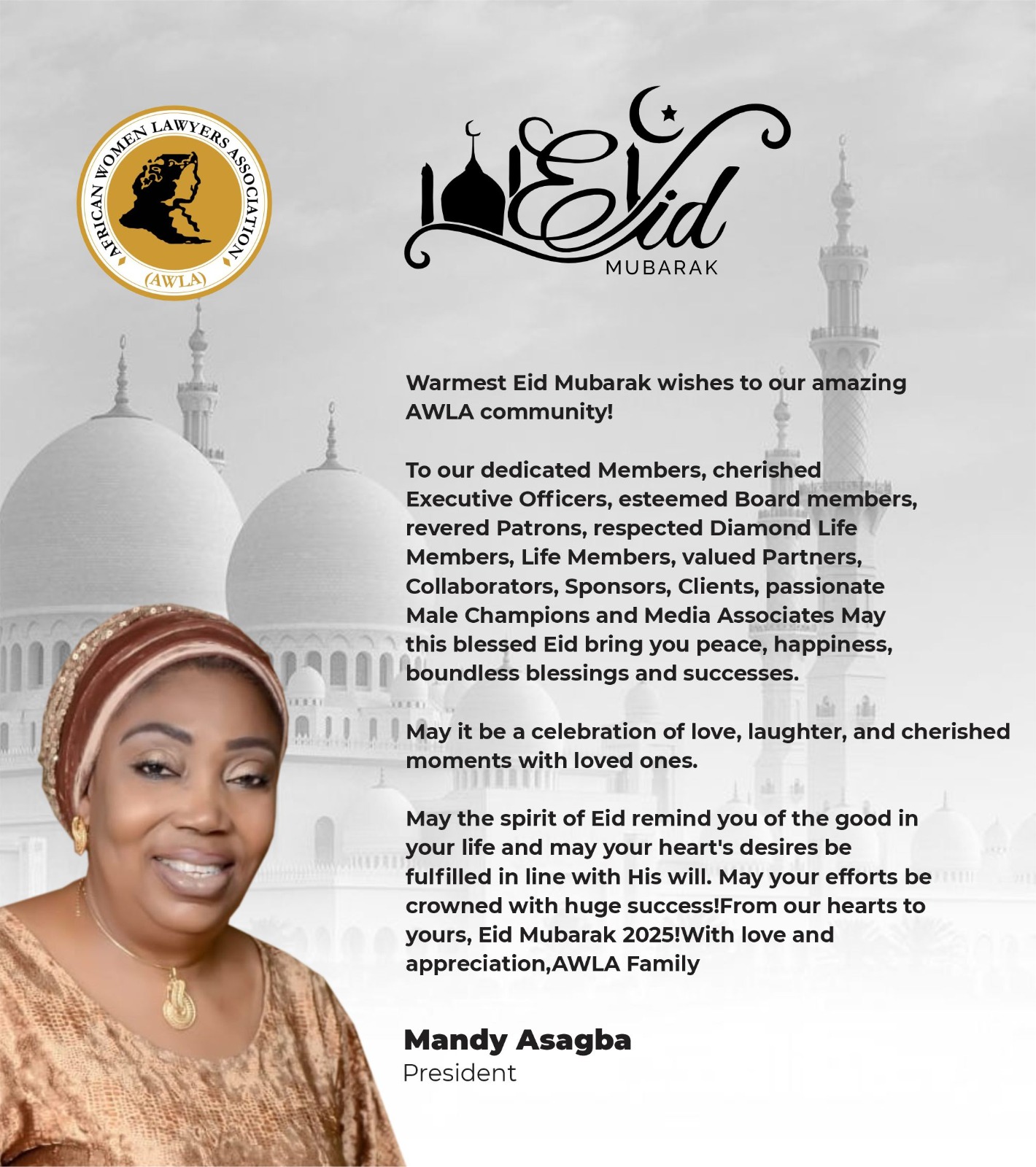
The post Eid Mubarak appeared first on The African Women Lawyers Association.
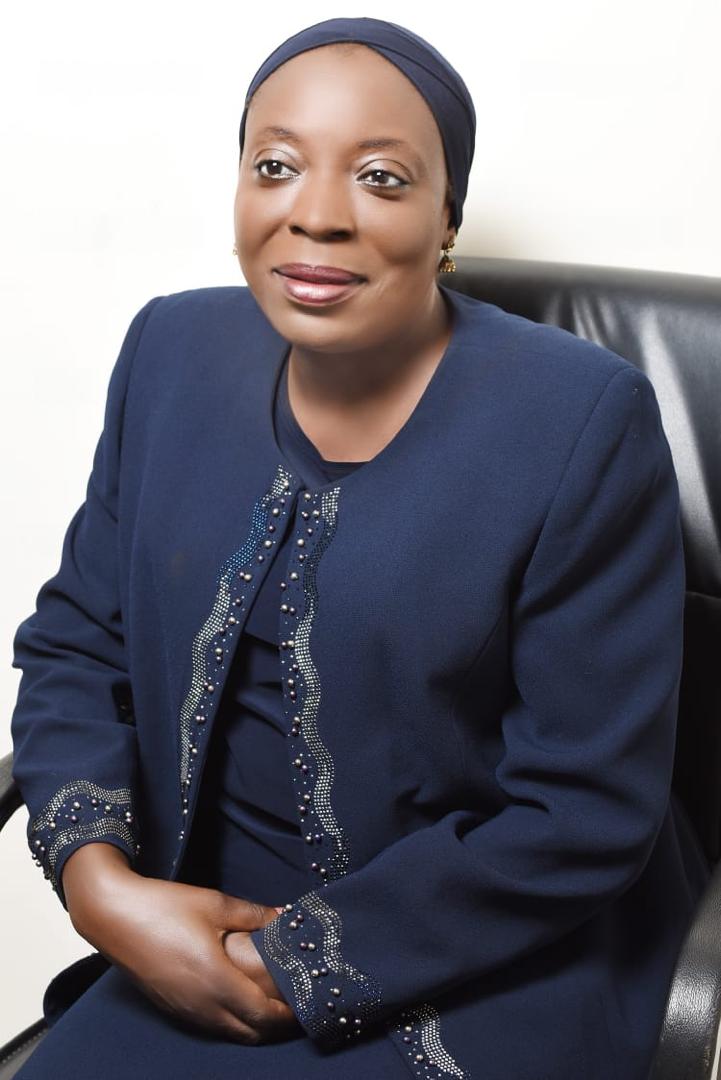
Happy Birthday to our incredible Country Representative/National Coordinator, Falilat Oluwatoyin Orire Esq! 
 We’re overflowing with gratitude and admiration for the remarkable work you’ve done for African Women Lawyers Association (AWLA). Your tireless efforts, unwavering dedication, and unrelenting passion have been a beacon of hope and inspiration to us all. May the Almighty bless you abundantly and crown your endeavors with immense success!
  Thank you for being an exemplary leader, flying the AWLA flag with pride, and making sacrifices that have significantly impacted the Association. Your love, care, and commitment to our collective growth are truly cherished. We’re honored to have you at the helm, and we celebrate you today and always!
  Here’s to another year of love, laughter, and limitless achievements! We love and appreciate you more than words can express!
  from all of us @ AWLA.
The post Happy Birthday to our incredible Country Representative/National Coordinator, Falilat Oluwatoyin Orire Esq appeared first on The African Women Lawyers Association.
As we celebrate Children’s Day 2025, we’re reminded that every child is a repository of dreams, hopes, and potentials. The theme “Children: Our Future and Our Responsibility” is apt, emphasizing our collective duty to nurture and protect them. However, many African children face significant challenges in realizing their fundamental rights.
Challenges Facing African Children
1. Poverty and Lack of Access to Basic Needs: Over half of children aged 0-17 live in poverty, hindering access to healthcare, education, and nutrition.
2. Child Labor and Exploitation: Children are subjected to forced labor, trafficking, and armed conflict.
3. Inadequate Enforcement of Child Protection Laws: Corruption and inconsistent enforcement leave children vulnerable to abuse and exploitation.
4. Limited Access to Education: Many African children lack access to quality education, with high dropout rates and limited infrastructure.
5. Healthcare Challenges: Limited access to healthcare services, high malnutrition rates, and vulnerability to diseases like malaria and HIV/AIDS.
Alarming Statistics
– 19 grave violations against children occur daily in West and Central Africa (UNICEF).
– 57.5 million children in West and Central Africa need humanitarian assistance (UNICEF).
– 2,500 attacks on schools were verified in Africa between 2016 and 2021 (UN).
Efforts to Address These Issues
– Prioritize children’s rights and ensure access to quality education, healthcare, and safe environments.
– Strengthen laws and enforcement mechanisms to protect children from exploitation, abuse, and violence.
– Support children’s emotional and psychological well-being.
– Empower children with skills and opportunities for growth.
Successful Initiatives and Policies
– Birth registration initiatives like the “No Name Campaign” and Nigeria’s Birth Registration Drive.
– Child protection laws like Kano State’s Child Protection Law and Zanzibar’s Children’s Act.
– Education initiatives like removing bans on pregnant students and the Safe Schools Declaration.
A Call to Action
Let’s prioritize our children! They are the beacons of hope for a brighter future. We must work together to:
– Provide access to quality education and healthcare.
– Protect them from exploitation, abuse, and violence.
– Support their emotional and psychological well-being.
– Empower them with skills and opportunities for growth.
Specific Steps You Can Take
– Raise awareness about children’s rights.
– Support organizations like African Women Lawyers Association (AWLA) and UNICEF.
– Empower children by creating inclusive spaces and supporting child-led initiatives.
– Advocate for policy change and support child rights policies.
Empowering Women, Empowering Children
Increasing women’s representation in decision-making roles can promote children’s rights and protection. Let’s support the Gender Bills and initiatives that empower women and children.
The Time is Now!!!
Thank you
Amanda Demechi- Asagba Esq
President
African Women Lawyers Association ( AWLA)
27/5/2025
The post A Reflection on Children’s Rights on Children’s Day 2025 appeared first on The African Women Lawyers Association.